
Skip to content

Instructions

Using the Calculator

The calculator takes you through a smoking history one step at a time: the types of tobacco smoked, how much of each and for how many years, then whether and when smoking stopped. A running total updates as you go.

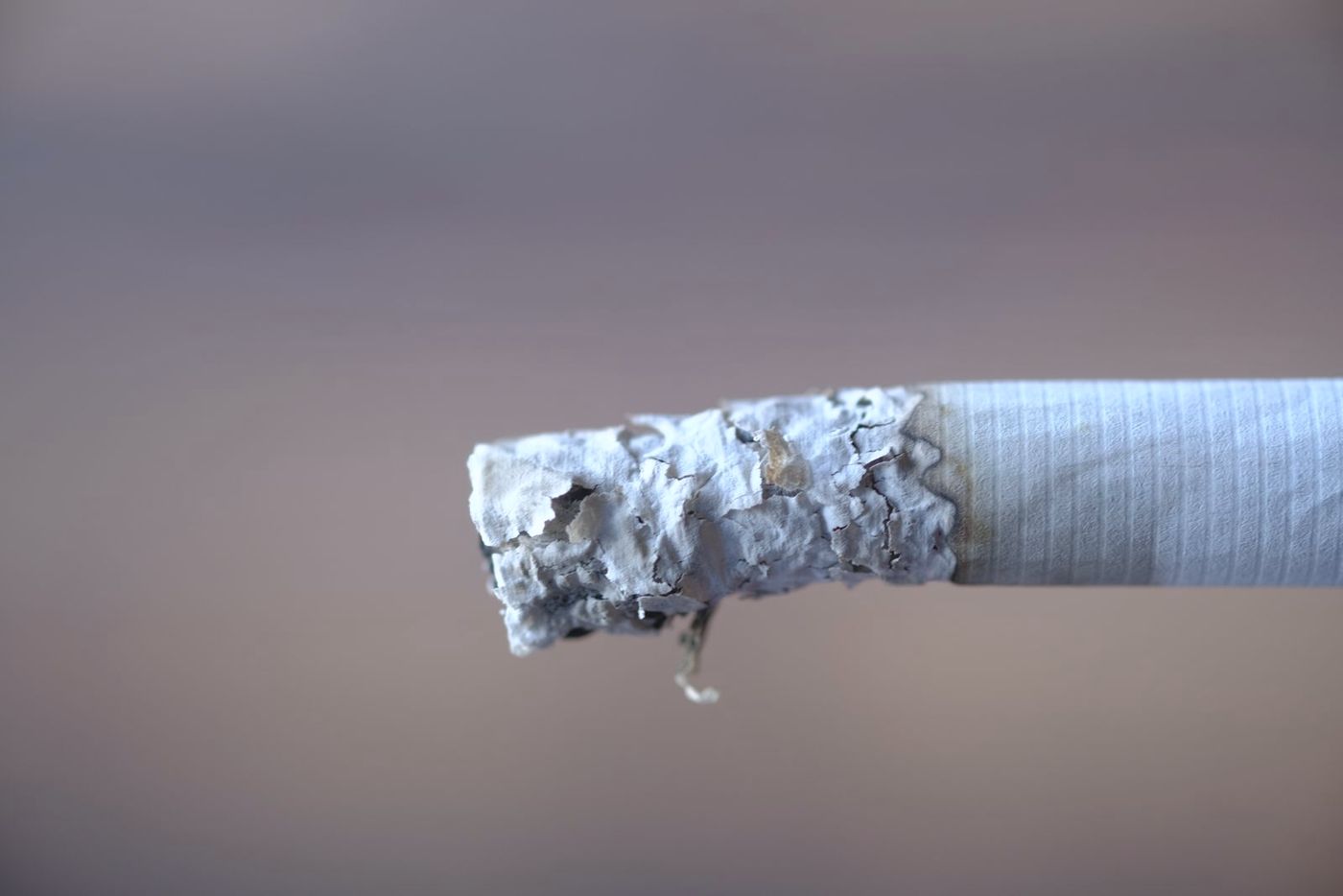
A cigarette with a long column of ash

Step by step

01

Choose what was smoked

Tick each type of tobacco smoked regularly at any time: cigarettes, cigars, spliffs, cigarillos, bidis, a pipe, loose tobacco or a waterpipe. You then see only the questions you need.

02

Enter amounts and years

For each type, enter how much was smoked and for how many years. The running total updates as you go.

03

Add another period

To allow for the different number of cigarettes someone may have smoked over their lifetime, add each period separately. For example one person may have smoked 10 cigarettes a day for 5 years, then 20 cigarettes a day for 20 years.

04

See and keep the result

The total and a breakdown by type of tobacco appear at the end. Download or email it as a PDF, print it or save a link. Clinicians can copy a line for the patient record.

Please note that whilst most of the values should be specified as number smoked per day, tobacco should be specified as amount smoked per week.

Read more in the FAQs, or see the references for the conversion figures.

Questions

Choose loose tobacco and enter the weight of tobacco used each week, in grams or ounces.

Add each period of smoking separately, with the amount and the number of years for each. Leave out the years when you had stopped.

The pack year calculator records combustible smoking products only. Years vaped may be the best way to record vaping on the clinical record.

Next step: get your history ready

Not sure of the amounts? Note what you smoked, how much and for how long before you start. Best guesses are fine.

Writing a note on a notepad beside a laptop and phone

Get in touch

Have a Question About
the Calculator?

If you have any questions about the smoking pack years calculator feel free to contact Dr Nigel Masters or Catherine Tutt.