Lung screening
In England, the NHS Lung Cancer Screening Programme offers a lung health check to people aged 55 to 74 who have ever smoked and are registered with a GP practice. Whether someone then has a scan is decided at the check, using a risk score from two risk models. Scans are repeated every 24 months.
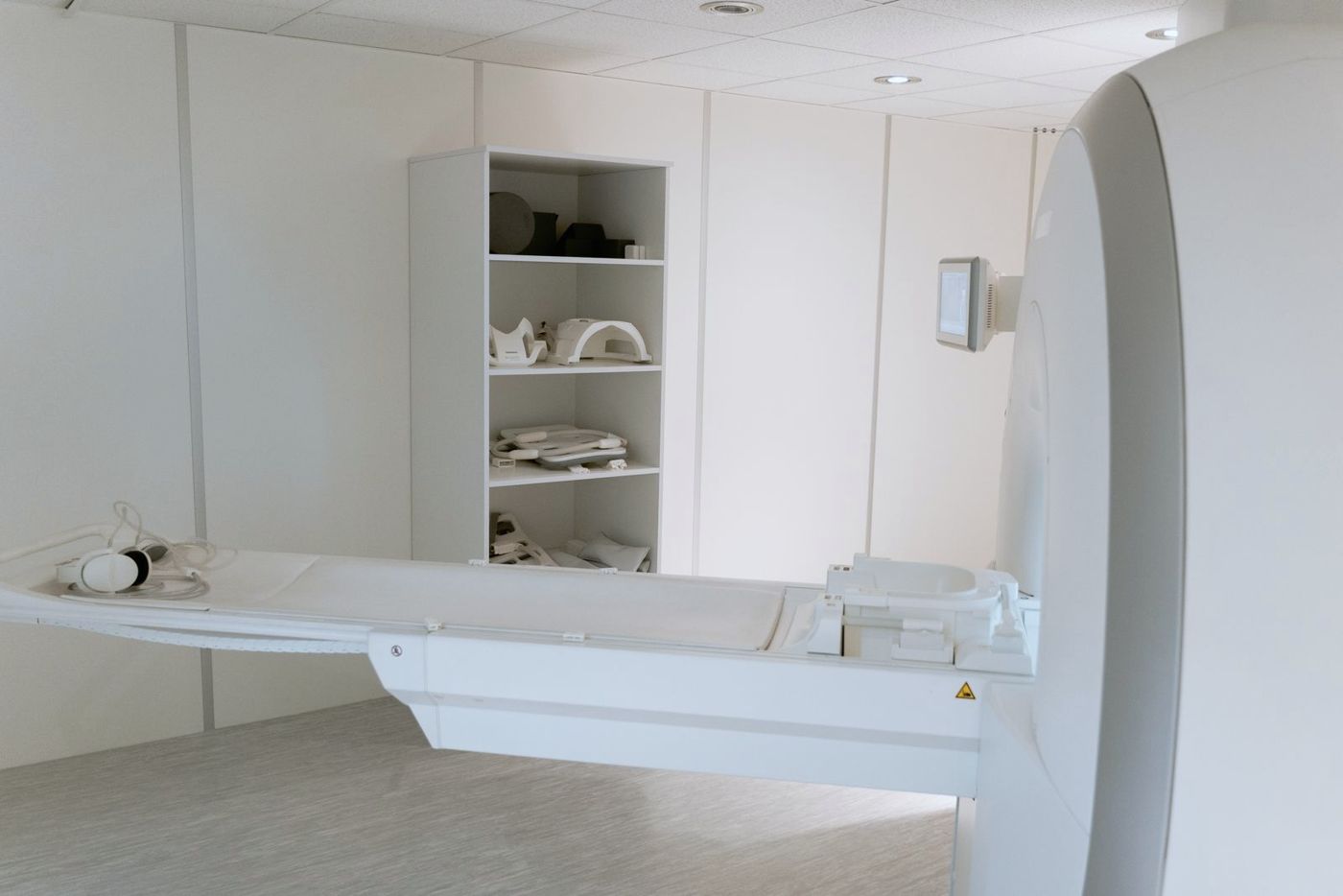
NHS England offers a lung health check to people aged 55 to 74 who have ever smoked and are registered with a GP practice. Whether someone is then scanned is decided at the check, from a risk score rather than a number of pack years, and scans are repeated every 24 months.
It is NHS England’s lung cancer screening programme, and it begins with a lung health check. It used to be called Targeted Lung Health Checks. Who is checked and who is scanned are set out in its standard protocol; this page follows version 3, dated 3 February 2025.
The NHS website puts it simply: “If you’re aged between 55 and 74 and have ever smoked, you may be given the opportunity to take part in lung cancer screening, with a lung health check.”
When the Department of Health and Social Care announced the roll-out on 26 June 2023, it aimed for “100% coverage by March 2030”.
The protocol (paragraph 3.1.1) says a lung health check is for people who:
In 2023 Dr Masters wrote that “General practice smoking records will be used to target lung cancer screening in people over 55.”
The decision is made at the lung health check, using two risk models. Each gives a percentage risk over a set number of years, and meeting either threshold is enough:
So the threshold for a scan is a risk score, not a number of pack years. The protocol considered a lower LLPv2 threshold of 2.0%, but rejected it because the evidence for it came only from modelling studies.
The scan uses “low radiation dose computed tomography”, in the words of the protocol’s title. In the routine screening rounds, scans are every 24 months; the 2023 announcement described high-risk people being scanned “every 2 years”.
Dr Masters argued that they do, in a 2023 letter to the BMJ, “Lung cancer screening will be hampered by poor recording of searchable smoking terminology in GP computer systems”. He wrote that smoking records in general practice computer systems “have been inadequate for years”, and gave an example: “rather than use the code ceased smoking most practices seem to use the code never smoked when a patient has stopped smoking. This causes confusion in the electronic summary visible to clinicians.” He was writing in response to a BMJ news report of June 2023, “Lung cancer screening for over 55s will be rolled out in England”.
The study he cited for this, which used Welsh GP data (Atkinson et al, 2017), reported: “Our algorithm assigns ex-smoker status to 34% of never-smokers”.
He also wrote that the programme “will use the codes ex-smoking, smoking, and intensity of smoking to determine those who should be offered screening”, and that “These codes are not numerate but descriptive and are difficult to search. The most useful terms may be years smoked and when the patient has ceased smoking.” He ended: “Perhaps, at last, this screening programme will show the poor quality of smoking records because of inadequate and poor software choices in general practice computer systems.”
The protocol takes account of the problem. Because GP smoking records are poor, it says that once roll-out is complete, everyone aged 55 to 74 should be offered the chance to take part, whatever their recorded smoking status.
You may be asked about your smoking history at a lung health check, and working it out beforehand can help. The calculator on our lung health check page gives you three things to take with you:
The last two are optional in the calculator, but they are the terms Dr Masters’ letter suggests may be most useful. If your smoking changed over the years, the decade-by-decade method can help you recall it.
To keep your result, download the PDF, print it or save the link. Nothing you enter is stored on this website.
The result is for your information: the lung health check team asks its own questions and decides what happens next. If you are worried about your health, speak to your GP practice or use NHS 111.
People aged 55 to 74 who have ever smoked and are registered with a GP practice in England.
No. It is made at the lung health check, using a risk score from two risk models, PLCOm2012 and LLPv2. Meeting either threshold is enough.
Every 24 months in the routine screening rounds.
Your pack years, the total years you smoked and, if you have stopped, when you stopped. The lung health check team asks its own questions and decides what happens next.
Work out your pack years before the check with the calculator written for lung health checks.

Get in touch
If you have any questions about the smoking pack years calculator feel free to contact Dr Nigel Masters or Catherine Tutt.
This website uses cookies and other tracking technologies to improve your browsing experience for the following purposes: to enable basic functionality of the website, to provide a better experience on the website, to measure your interest in our products and services and to personalize marketing interactions, to deliver ads that are more relevant to you.
Contact Smoking Pack Years
M: 07956971305
E: mastersnigel@gmail.com
W: www.smokingpackyears.com
© Smoking Pack Years 2026. Sitemap · Privacy Policy
This site is designed and hosted by Independent Web Marketing
