COPD
NICE guideline NG115 does not set a pack-year threshold for COPD. It says to suspect COPD in people over 35 who have a risk factor, generally smoking or a history of smoking, and to record pack years for everyone with COPD. The figure of 15 pack years comes from one practice’s approach, published in 2006.
Not in NICE guidance. Recommendation 1.1.1 of NICE guideline NG115, on chronic obstructive pulmonary disease (COPD), says: “Suspect a diagnosis of COPD in people over 35 who have a risk factor (generally smoking or a history of smoking)”. It gives no pack-year figure.
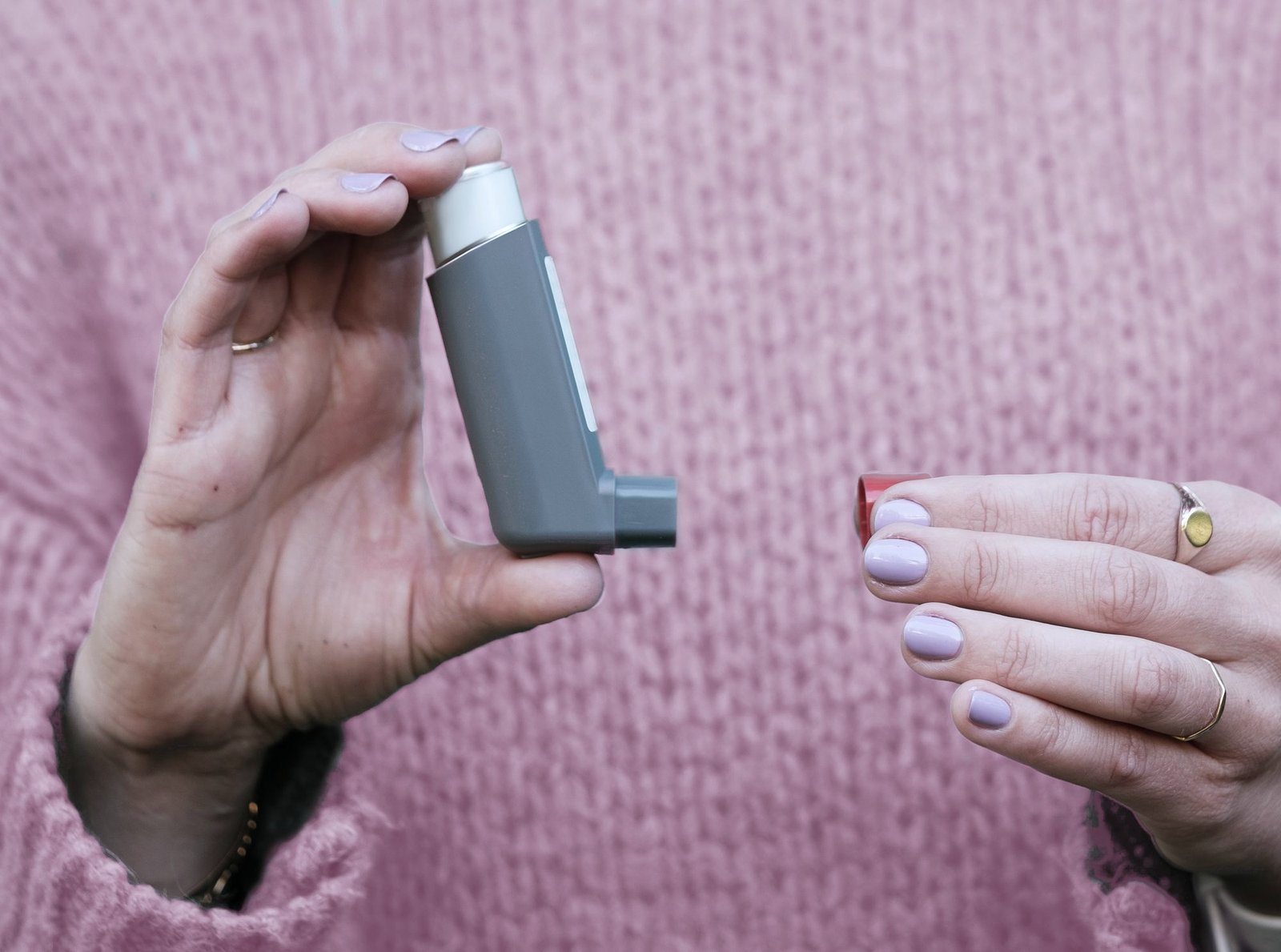
The NHS website describes COPD as “the name for a group of lung conditions that cause breathing difficulties” (NHS: COPD), and says “A spirometry test measures how much air you can breathe out in one breath” (NHS: spirometry).
NICE asks for it. Recommendation 1.2.2 of NG115 says: “Document an up-to-date smoking history, including pack-years smoked… for everyone with COPD.”
The site’s FAQs give two further reasons for recording a number. FAQ 1 says numbers linked to patients “can be searched easily to identify at risk groups”, and FAQ 4 says smoking load should be on clinical summaries “so that information can be transferred between clinicians and healthcare systems”.
They also recommend recording starting and stopping dates and years smoked as well as pack years (FAQ 2), and recalculating pack years every five years for people who continue to smoke (FAQ 8). The clinician version of the calculator gives a line for the record with pack years, a breakdown by type of tobacco, smoking status, the date stopped and years smoked. It does not ask when smoking started.
FAQ 10 explains that Dr Nigel Masters and Catherine Tutt decided to be more proactive in detecting COPD in patients who often have no symptoms, and that this is how they came to see the need for a simple pack year calculator.
They described the approach, used in one general practice, in a letter: Masters N, Tutt C, Eades J. Early diagnosis of COPD. Br J Gen Pract 2006;56(533):969. Current or ex-smokers “over 40 years, with history of 15-pack-years or greater” were invited for spirometry.
The letter reports: “After 10 months, 56% of the target population have their risk documented, and of those, 45% have undergone spirometry.” It also reports that 35% of the patients on the COPD register had been diagnosed through the initiative, a 54% increase on the register.
FAQ 4 on this site describes the same work, with the same figures. The practice called the invitation “a free lung check”.
FAQ 4 explains that the referral process “simply involved using smoking load rather than symptoms as the key to screening”, and notes that “Often patients with COPD do not have symptoms”. It adds that the approach also allowed smoking advice to be offered to those who wanted it.
FAQ 10 records that Jenny Eades, a medical student at Imperial College, carried out the first critical and detailed audit of smoking load recording in the detection of early COPD. Audits in the practice by research assistant Jessica Masters showed sustained improvements in pack year recording and increasing levels of COPD detection throughout early 2007, when the calculator became available.
Dr Masters and Catherine Tutt won the COPD section of the 2006 National Guidelines in Practice Award for their holistic approach to COPD care. The first working version of the calculator was produced in Excel in January 2007 and tested at Highfield surgery for three months. At lectures on their approach to COPD management in primary care, they were asked to provide the calculator to other healthcare teams, and with James Gardner’s help they produced a web-based version, free to all users.
Not in NICE guidance: NG115 gives no pack-year figure. The 15 pack year figure comes from the approach one practice described in the 2006 letter. It is that practice’s way of choosing whom to invite, not a general threshold.
A pack year result above or below 15 does not tell you whether you have COPD or any other lung condition: see what your result means. If you are worried about your health, speak to your GP practice or use NHS 111.
No. NICE NG115 says to suspect COPD in people over 35 who have a risk factor, generally smoking or a history of smoking, and gives no pack-year figure.
Yes. NICE NG115 says to document an up-to-date smoking history, including pack-years smoked, for everyone with COPD.
From one practice’s approach to finding COPD, described by Masters, Tutt and Eades in the British Journal of General Practice in 2006.
No. A pack year result does not tell you whether you have COPD or any other lung condition. If you are worried about your health, speak to your GP practice or use NHS 111.
The clinicians’ calculator gives one line for the record with pack years, years smoked and the date stopped.

Get in touch
If you have any questions about the smoking pack years calculator feel free to contact Dr Nigel Masters or Catherine Tutt.
This website uses cookies and other tracking technologies to improve your browsing experience for the following purposes: to enable basic functionality of the website, to provide a better experience on the website, to measure your interest in our products and services and to personalize marketing interactions, to deliver ads that are more relevant to you.
Contact Smoking Pack Years
M: 07956971305
E: mastersnigel@gmail.com
W: www.smokingpackyears.com
© Smoking Pack Years 2026. Sitemap · Privacy Policy
This site is designed and hosted by Independent Web Marketing
